Preloader Logo

Contact Info

Fire Resistant Conveyor Belts | Flame Resistant Conveyor Belts | Neelkanth Rubber Mills
Fire Resistant Conveyor Belts

Fire Resistant Conveyor Belts for Safer, Stronger, and More Reliable Material Handling

Neelkanth Rubber Mills is a leading fire resistant conveyor belt manufacturer in India for industries where flame resistance, safer conveying performance, and dependable bulk material handling are critical. These fire resistant rubber conveyor belts are widely used in coal handling plants, mining operations, thermal power stations, ports, cement plants, and industrial fuel handling systems where reducing flame spread risk is an important requirement.

Designed for demanding applications, our flame resistant conveyor belts support continuous conveying while helping plants improve safety in environments handling combustible, dusty, or fire-sensitive bulk materials. For operations where ordinary conveyor belts may not be suitable, a properly selected fire resistant conveyor belt becomes a more practical and safety-focused solution.

  • Fire resistant conveyor belts for coal handling
  • Flame resistant conveyor belts for mining
  • Industrial FR conveyor belts for power plants
  • Suitable for combustible bulk material handling
  • Reliable performance in demanding applications
  • Designed for safer day-to-day belt operation

Why FR Conveyor Belts Matter?

In many industrial plants, conveyed materials such as coal, coke, pet coke, biomass, and other dry combustible solids can increase fire-related risk across conveyor systems. A fire resistant conveyor belt is intended to offer improved resistance to flame propagation compared with ordinary belts, helping plants support safer handling conditions.

Fire resistant conveyor belts are therefore commonly specified in coal mines, power plants, underground operations, and other sensitive industrial environments where operational safety, conveying dependability, and project compliance must work together.

Belt selection should consider operating environment, applicable standard, fire risk, material type, and whether the conveyor system is above-ground, enclosed, or underground.
Overview

What Is a Fire Resistant Conveyor Belt?

An FR conveyor belt is a specially engineered rubber conveyor belt developed for applications where resistance to flame spread is important. These belts are used in conveying systems that handle combustible or fire-sensitive materials and where ordinary general purpose belts may not provide the desired level of safety. Fire resistant conveyor belts are commonly used in coal handling plants, mines, thermal power stations, ports, cement units, and industrial fuel conveying operations.

Depending on the project requirement, these belts may need to meet specific fire resistance or flame resistance criteria under relevant industrial standards. In practical use, the belt is expected to support material flow while also helping reduce flame propagation risk if ignition occurs. This makes fire resistant conveyor belts an important category for industries where safety and conveying performance must go together.

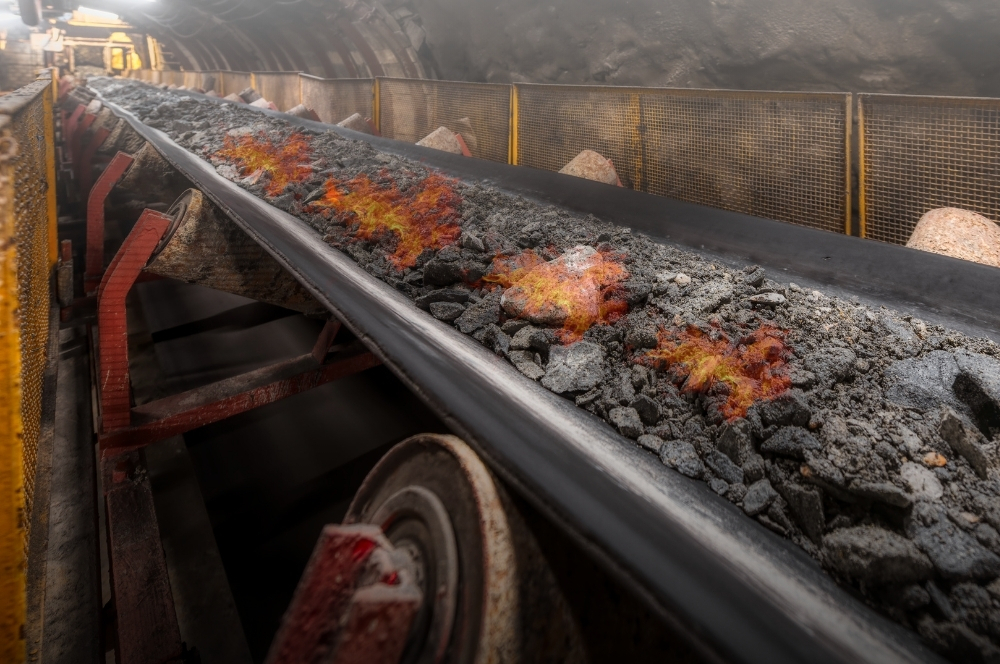
Fire resistant conveyor belt application
Applications

Industries Using Fire Resistant Conveyor Belts

Thermal Power, Utilities & Fuel Handling

Used where coal and fuel movement takes place continuously and safety expectations are higher across transfer points and enclosed conveyor lines.

  • Coal handling plants
  • Boiler feed systems
  • Fuel stockyard conveyors
  • Ash and fuel transfer sections
⛏️

Mining, Ports & Heavy Industrial Operations

Preferred where industrial conveying environments involve coal, combustible bulk solids, underground movement, or stricter fire safety expectations.

  • Coal mines and underground systems
  • Port coal terminals
  • Cement fuel handling sections
  • Bulk industrial transfer conveyors
Key Features of FR Conveyor Belts
🔥

Improved Flame Resistance

Designed to help reduce flame spread compared with ordinary conveyor belts in fire-sensitive operating environments.

🛡️

Safer Industrial Operation

Supports improved conveying safety in environments where combustible materials or ignition-related risk are present.

⚙️

Reliable Conveying Performance

Built for continuous material handling service in demanding industrial conditions and bulk transfer systems.

🏗️

Suitable for Heavy Duty Use

Can be supplied for coal, mining, power, ports, and other industrial bulk material handling applications.

Material Handling

Materials Commonly Conveyed on Fire Resistant Conveyor Belts

Coal, Coke & Pet Coke

One of the most common material groups for flame resistant conveyor belts because these applications often involve combustible or fire-sensitive conditions.

  • ROM coal
  • Crushed coal and coal fines
  • Met coke and pet coke
  • Fuel-grade carbon-rich bulk solids
🌾

Biomass, Alternative Fuels & Dry Industrial Feed

Used where industrial plants handle dusty or combustible bulk material that requires a more safety-focused conveying solution.

  • Biomass fuel
  • Refuse-derived fuel
  • Processed dry fuel mix
  • Other combustible process feed materials
Importance

Why FR Conveyor Belts Are Important?

FR conveyor belts play an important role in improving conveyor safety in industries handling combustible or fire-sensitive bulk materials. In applications such as coal handling, mining, thermal power, ports, and industrial fuel conveying, the belt is often exposed to dusty environments, continuous material flow, and conditions where flame spread can create added operational risk. This is why selecting the right fire resistant conveyor belt is not only a performance decision but also a safety-focused one. A properly selected FR conveyor belt helps support safer conveying conditions, dependable material handling, and better suitability for applications where ordinary conveyor belts may not be enough.

Selection Guidance

Where FR Belts Are Best Suited

Best Suited For

  • Coal handling conveyor systems
  • Power plant fuel conveying lines
  • Underground or enclosed conveyor zones
  • Dry combustible bulk material handling
  • Plants with higher safety requirements
  • Applications where flame spread resistance matters

Selection Should Also Consider

  • Applicable fire resistance standard
  • Whether the conveyor is overground or underground
  • Material type and associated fire risk
  • Need for abrasion, heat, or oil resistance also
  • Operating temperature and duty conditions
  • Conveyor design, loading pattern, and safety protocol
Standards Comparison

Fire Resistant Conveyor Belt Cover Grade Comparison Across Standards

Cover Grade Country Standard Minimum Tensile Strength (MPa) Minimum Elongation at Break (%) Maximum Abrasion Loss (mm³)
FR IS 1891 India IS 1891: Part 5 17 400 175
FR - AS F Australia AS 4606:2012 17 400 175
FR MSHA BELT (PART 14) USA MSHA Part 14 15 400 200
Why Choose Us

Leading Fire Resistant Conveyor Belt Manufacturer in India

Neelkanth Rubber Mills focuses on industrial conveyor belting solutions designed around application requirements, operating conditions, and long-term service performance. Our fire resistant conveyor belts are developed for industries that require dependable conveying, safer operation, and practical performance in demanding environments.

Whether the requirement is for coal handling, mining, thermal power, port terminals, or other industrial applications, we aim to provide conveyor belting solutions that combine application understanding, consistent manufacturing, and a strong focus on industrial usability.

What We Focus On

  • Application-oriented belt selection support
  • Industrial fire resistant conveyor belt solutions
  • Reliable supply for heavy duty operations
  • Quality-focused manufacturing consistency
  • Practical solutions for coal and fuel handling
  • Professional support for bulk material conveying industries
Typical Operating Conditions for Fire Resistant Conveyor Belts

Fire resistant conveyor belts are generally selected for applications where the conveyed material, operating environment, or project requirement creates a higher need for flame resistant performance. These belts are especially relevant in enclosed conveyor systems, coal handling plants, mines, power stations, and industrial facilities where dry combustible bulk materials are moved continuously.

In practical plant use, the requirement may not be limited only to fire resistance. Depending on duty, the belt may also need to perform under abrasive, dusty, heavy duty, or continuous load conditions. Because of this, selection should consider the full operating environment rather than only one property. The most suitable fire resistant conveyor belt is the one that matches the material, system design, safety expectation, and required industrial standard.
Frequently Asked Questions (FAQs)
What is a fire resistant conveyor belt?
A fire resistant conveyor belt is designed for applications where improved resistance to flame spread is required, especially in fire-sensitive industrial environments.
Where are fire resistant conveyor belts used?
They are commonly used in coal handling plants, mines, thermal power plants, ports, cement plants, steel plants, and other industrial bulk material handling systems where safety requirements are higher.
Are fire resistant conveyor belts suitable for coal handling?
Yes. Fire resistant conveyor belts are widely used for coal handling because coal and coal dust can increase fire-related risk in conveying systems.
Which industries commonly use fire resistant conveyor belts?
These belts are commonly used in coal handling, mining, thermal power, ports, cement fuel handling, and other industrial bulk material applications where flame resistance is important.
What is the difference between general purpose and fire resistant conveyor belts?
General purpose conveyor belts are used for standard material handling, while fire resistant conveyor belts are selected where resistance to flame spread is an important requirement alongside conveying performance.
Can fire resistant belts also require abrasion resistance?
Yes. In many applications, the belt may need a combination of fire resistance and other properties such as abrasion resistance, depending on the material and working conditions.
What materials are commonly conveyed on fire resistant conveyor belts?
Common materials include coal, coal fines, coke, pet coke, biomass fuel, refuse-derived fuel, and other combustible or fire-sensitive bulk solids.
How do I choose the right fire resistant conveyor belt?
Selection depends on the material handled, fire risk, application type, operating conditions, required standard, and whether the system is underground or overground.

Need Fire Resistant Conveyor Belts for Your Application?

Get in touch with Neelkanth Rubber Mills for fire resistant conveyor belts designed for coal handling, mining, power plants, ports, cement fuel handling, and industrial bulk material conveying applications. Share your belt width, rating, cover grade, operating condition, and application details for the right recommendation.