Process and Manufacturing Industries
Used where continuous vertical lifting is required for bulk materials within plant systems.
- Cement plants
- Fertilizer plants
- Food processing systems
- Power and industrial plants

Neelkanth Rubber Mills offers bucket elevator conveyor belts for applications where bulk materials must be lifted vertically or at steep angles with dependable belt strength, dimensional stability, and long service life. A bucket elevator conveyor belt is used for mounting elevator buckets and is designed for heavy duty vertical conveying in industries where reliable material lifting is critical to plant performance.
These rubber conveyor belts are widely used in cement plants, fertilizer units, grain handling systems, food processing, mining, power plants, and general industrial material handling applications. In practical use, bucket elevator belts must not only carry the bucket load, but also withstand repeated flexing around pulleys, fastener loading, and the stresses created by continuous vertical lifting. This makes belt selection a techno-commercial decision that affects performance, maintenance, and service life.
In a bucket elevator system, the belt is the main load-carrying member that transmits motion while supporting the mounted buckets and conveyed material. If the belt is not properly selected, the system can face issues related to elongation, fastener stress, reduced service life, or unstable operation.
A properly selected bucket elevator conveyor belt helps improve lifting reliability, support better bucket retention, and maintain dependable performance in demanding industrial applications. This is why the correct elevator belting matters both technically and commercially.
A bucket elevator conveyor belt is a belt specifically used in bucket elevator systems for lifting bulk materials vertically or on steep paths. Unlike ordinary conveying belts, it is designed to work as the supporting element for attached buckets while operating under repeated flexing and continuous tension. The belt must therefore combine suitable strength, low elongation, reliable fastener holding characteristics, and good service life under repeated operating cycles.
Bucket elevator belts are commonly used in grain handling, cement, fertilizers, food processing, mining, aggregates, and industrial bulk handling applications. Depending on the duty, these belts may be selected in textile constructions with suitable cover compounds for abrasion, oil, heat, or other service conditions. In many plants, the correct bucket elevator belt is a key part of ensuring dependable vertical transport, reduced downtime, and practical long-term maintenance performance.
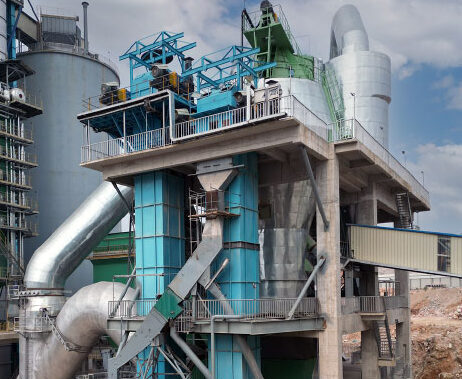
Bucket elevator conveyor belts are important because they directly influence the stability, reliability, and service life of the entire bucket elevator system. In vertical conveying, the belt is exposed to continuous tensile loading, repeated bending around pulleys, bucket weight, and the impact of filling and discharge cycles. A well-selected bucket elevator belt helps support reliable bucket attachment, improved running behaviour, lower maintenance risk, and better long-term system performance in industrial material handling applications.
Used where continuous vertical lifting is required for bulk materials within plant systems.
Preferred where materials must be lifted efficiently with dependable belt and bucket performance.
Designed for steady and dependable lifting of bulk materials in bucket elevator systems.
Supports the practical requirements of bucket fixing and secure load carrying during operation.
Important for maintaining bucket attachment integrity over long operating cycles.
Helps reduce premature elongation, instability, and belt-related maintenance issues.
Designed to provide the tensile strength needed for vertical lifting and repeated running cycles.
Lower elongation helps improve running stability and maintain better operating consistency in elevator service.
Can be supplied with suitable covers depending on abrasion, heat, oil, or other working conditions.
Suitable for vertical lifting of dry bulk products in agricultural and food-related handling systems.
Used where process plants need dependable vertical transfer of powder, granules, or other bulk solids.
Selected for materials that create regular wear and where improved belt life under abrasive duty is important.
Useful where elevated material temperature is part of the operating condition in elevator service.
Suitable where the conveyed material contains oil, grease, or oily contamination that may affect ordinary covers.
Neelkanth Rubber Mills is a leading bucket elevator conveyor belt manufacturer, focusing on practical conveyor belting solutions designed around the material, application, and operating condition. For bucket elevator conveyor belts, the goal is not only to supply a belt, but to support a reliable lifting solution that performs dependably in real industrial environments.
Whether the requirement is for grain handling, cement, fertilizer, mining, or other vertical conveying systems, we aim to support customers with a techno-commercial understanding of the duty so that the selected bucket elevator belt is better aligned with service requirements and long-term operating performance.
Bucket elevator conveyor belts are generally selected where materials must be lifted vertically or on steep paths in a controlled and continuous manner. These conditions are common in grain elevators, cement plants, fertilizer handling systems, mining operations, and industrial bulk handling applications where the belt is subjected to bucket loading, pulley bending, and continuous tensile duty.
In practical use, the correct bucket elevator belt should be selected by considering lifting height, bucket size, material characteristics, operating speed, and the cover properties required by the application. A properly selected belt can help support stable elevator operation, improved bucket retention, and better long-term performance in demanding industrial lifting systems.
Get in touch with Neelkanth Rubber Mills for bucket elevator conveyor belts designed for dependable vertical lifting, strong bucket mounting performance, and long service life in industrial material handling applications. Share your lifting height, material, bucket size, belt width, speed, and operating conditions for a more accurate recommendation.
